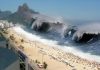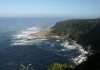
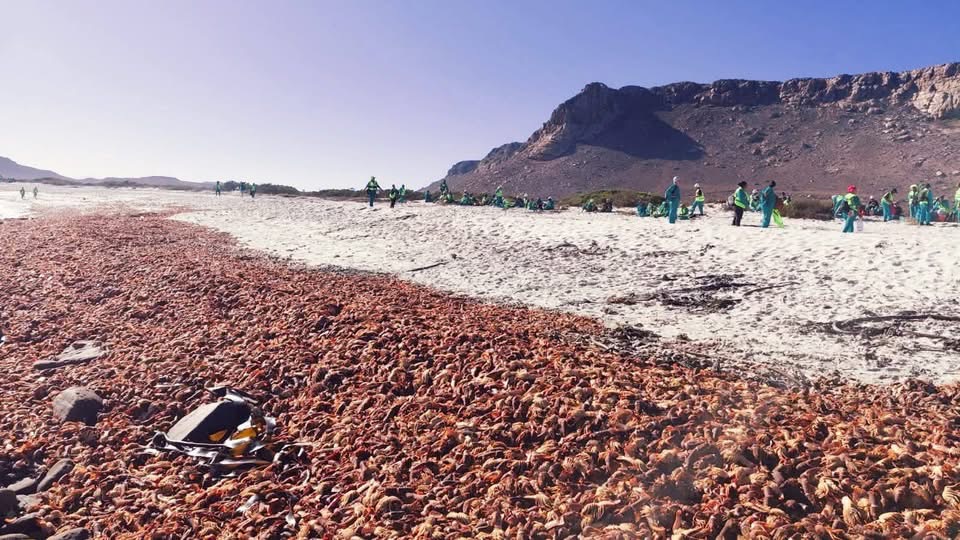
Images of the red tide currently affecting parts of the Cape West Coast, speak for themselves.
This year’s red tide season has seen large marine walkouts and mortalities, including significant numbers of West Coast Rock Lobster (kreef) and other fish species, in and around Elands Bay.
Exposure to algal toxins and bacterial contamination poses a serious health risk and the public is warned that the washed-up lobster and fish are not safe for human consumption.
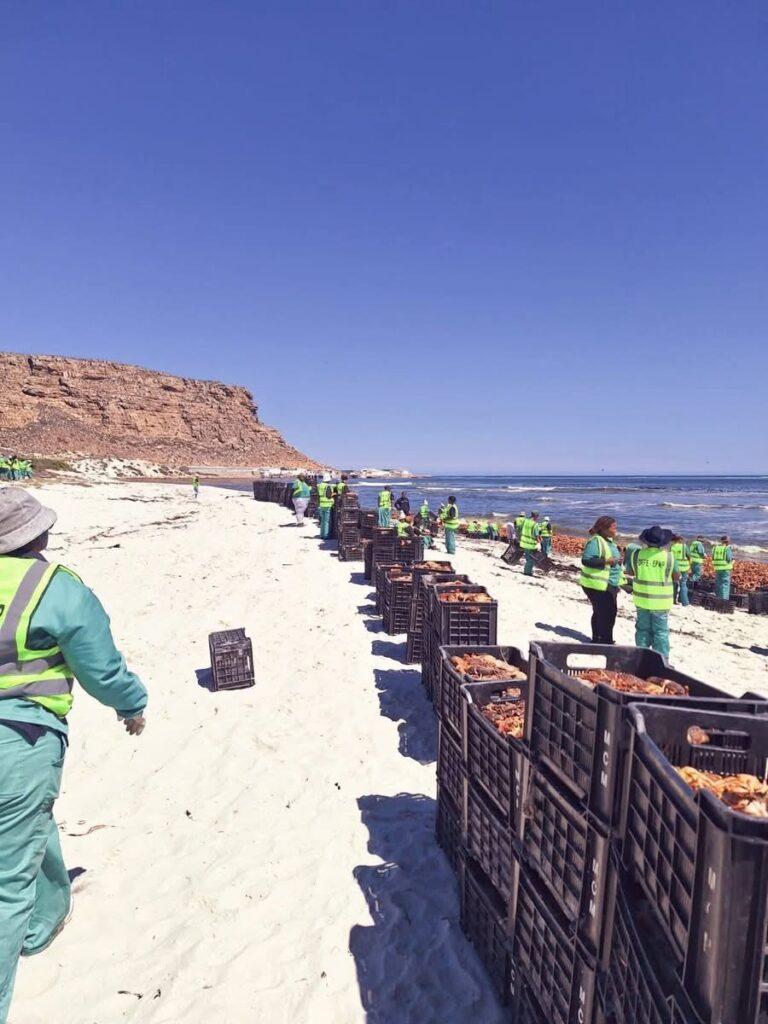
At Elands Bay it is reported that a large scale recovery operation has been underway to relocate four tons of live lobster to areas with stable oxygen levels. Unfortunately 10 tons of dead lobster and other marine life has had to be disposed of.
There have also been several arrests of people removing the lobster despite the warning.
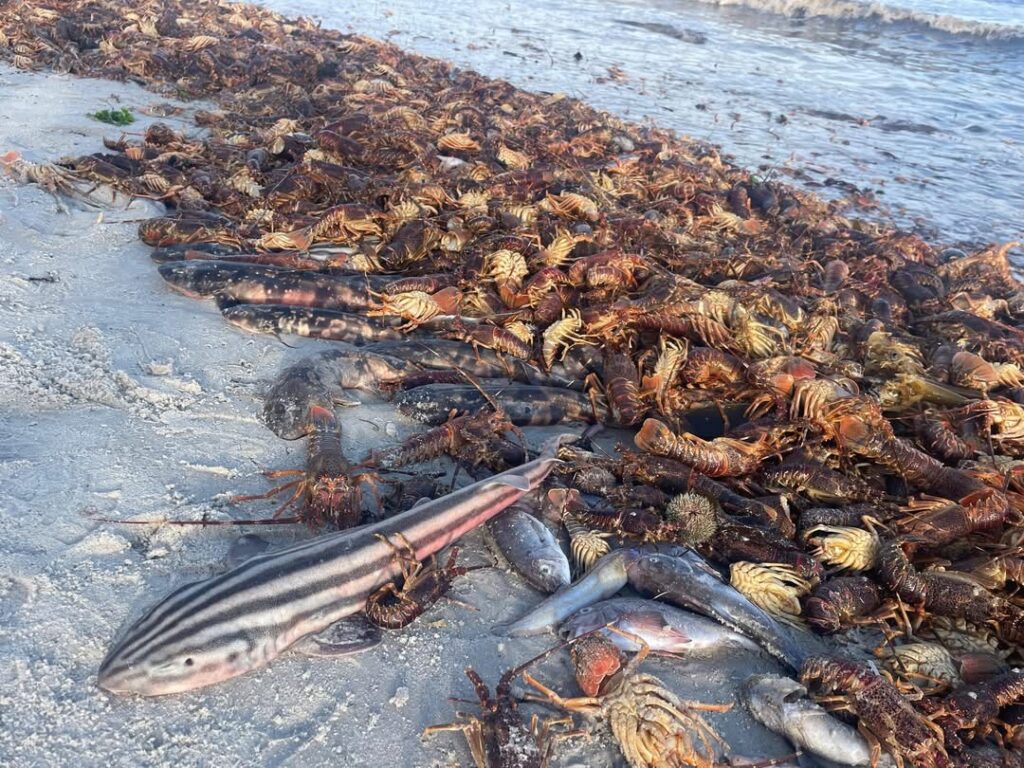
Red tides are algal blooms, that is, accumulations of large amounts of phytoplankton (single-cell algae) that are common during late summer and autumn along the West Coast (St. Helena Bay area including Elands Bay, Dwarskersbos, Doring Bay, and Lamberts Bay). These are mostly harmless, but some are not, and therefore are referred to as harmful algal blooms or HABs.
These blooms drastically reduce oxygen levels in the sea as they begin to decay. These, in turn, often result in mass mortalities of marine organisms.
In 2022 and 2023 there was substantial reductions in lobster densities following walkouts of 550 tons and 100 tons respectively, particularly impacting Elands Bay.