
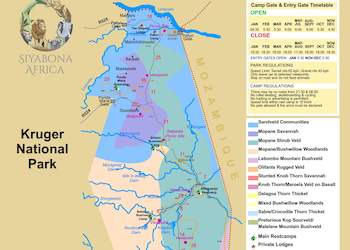
Gone are the days when game parks provided a unique and rustic experience of basic accommodation, campfire cooking, and minimal lighting, to tourists wanting to view wild animals in their natural habitat. Now it’s more about comfort, sophistication, and safety, so future proofing the South African National Parks (SANParks) premier tourist destination – the Kruger National Park – is an imperative. One plan is to transition its existing electricity supply to renewable energy.
Kruger National Park had a tough start to the year when in January it was affected by widespread floods. Not only did this highlight the urgent need for better preparedness but also forced SANParks to reprioritise R51 million from its surplus funds earmarked for important digital upgrades, to immediate infrastructure rehabilitation.
More recently, the Kruger National Park, which recently celebrated its centenary, was in the news for the wrong reasons when two South African tourists were found murdered. Two suspects have been arrested in Mozambique and a formal process has started to extradite them to South Africa to stand trial.
This type of crime, as well as cross-border environmental crime, spurred on Minister of Forestry, Fisheries and the Environment, Willie Aucamp, to comment “we will intensify efforts in priority areas, including strengthening operations in the Kruger National Park and cooperation with regional partners such as Mozambique.”
Climate change
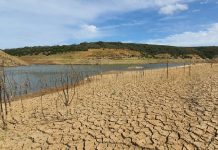
One thing the Minister cannot do is fund climate change events but he does acknowledge the realities of climate change: frequent droughts, floods and heatwaves.
Faced with a 2026/27 Budget that has in fact shrunk, what is there will in the next year be used to protect ecosystems, strengthen climate adaptation, improve environmental regulation and support inclusive economic growth and job creation.
“Climate action requires adequate, accessible financing. This is a message that I am continually sharing with our developed economy counterparts on international platforms,” he says.
Renewable energy
As part of a rejuvenation effort, SANParks has been considering renewable energy and this week the Kruger National Park Renewable Energy Feasibility Study was handed over to SANParks Chief Executive Officer, Ms Hapiloe Sello, by German Ambassador to South Africa, Andreas Peschke.
The study, which includes presentations on the its process and findings, and discussions on matters arising from the work completed to date, outlines an implementation pathway for the park to source up to 80% of electricity from renewable energy.
While renewable energy makes sense as a cheaper alternative (in the long term) to what the Kruger Park currently relies on, fact is SANParks cannot afford to transition to renewable energy without the foreign funding which seemingly the Germans are happy to provide.
According to a SANParks press release there’s also a “broader programme of cooperation” (whatever that means), and the feasibility study is noted to be “phase 1” with a focus on renewable energy supply and storage considerations for Kruger National Park and to assess a range of factors related to the park’s current and future electricity requirements. These included energy demand, supply resilience and broader planning considerations associated with long-term electricity use in the park.
The technical assessment was conducted by independent consultancy, Malachite Advisory, through the Technical Assistance Facility of Verdure Fund, backed by the KfW programme.
Verdure is a South African specialist debt funder, making finance available to small- to mid-scale renewable energy infrastructure and energy efficiency projects, a critical gap in the South African lending market. Verdure was established by KfW, a German public development bank, on behalf of the German Federal Ministry for Economic Cooperation and Development in 2018.
For this initiative, KfW has funded the technical assistance facility used to fund the feasibility study and has approved additional support for a possible next phase, should SANParks decide to proceed into Phase 2, the procurement phase.
From Germany’s perspective, the “project is a tangible example of the partnership between Germany and South Africa on climate, energy and conservation,” says Peschke.
“Kruger National Park is an outstanding asset for South Africa and a globally significant natural heritage site. The study shows a way forward for conservation while reducing carbon emissions and strengthening energy security.”
Representatives attending the handover included SANParks Chief Executive Officer, the German Ambassador to South Africa, Lesotho and Eswatini, executives, officials from SANParks, the Embassy of the Federal Republic of Germany, KfW, Verdure and Malachite Advisory.
SANParks hopes to take the lessons learned and approach used to its other National Parks