
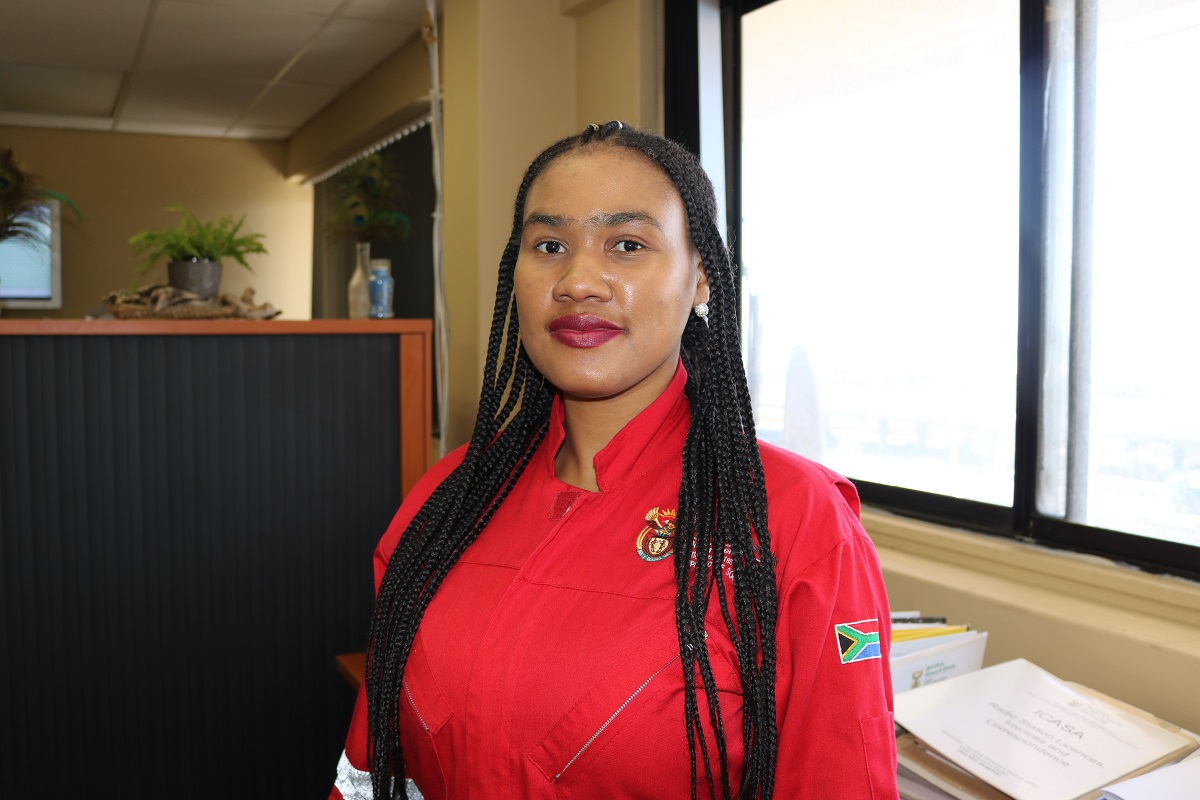
Chief Marine Conservation Inspector, Buyekezwa Polo, is at the forefront of the Department of Agriculture, Forestry and Fisheries’ efforts to combat illegal, unreported and unregulated fishing.
In her first month as a Fishery Control Officer (FCO) Buyekezwa Polo (known simply as “Polo” to her colleagues) found herself involved in a hostage situation and staring down the barrel of a gun. The young inspector was newly employed by the Department of Agriculture, Forestry and Fisheries (DAFF) and stationed in Kleinmond, at the heart of the abalone battlegrounds.
Fortunately for the DAFF, this life-threatening situation was resolved peacefully and Buyekezwa’s early exposure to the violence associated with abalone poaching wasn’t enough to put her off a career in fisheries management.
Moving up the ranks
Over the past 13 years Buyekezwa has moved into a management job within the DAFF’s Chief Directorate of Monitoring, Control and Surveillance (MCS) and gained insight into a wide range of fisheries management issues.
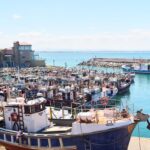
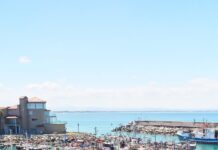
For instance, during a two-year stint at the DAFF’s Hout Bay offices, Buyekezwa was confronted with the immense challenge of monitoring and regulating an active licensed fishing fleet, balancing the needs of a vibrant and demanding tourism industry, and attempting to control the illegal harvest and trade of west coast rock lobster and abalone by the local fishing community.
“There were only three or four inspectors to deal with a very big fishing harbour,” recalls Buyekezwa.
“We worked hand-in-hand with the Police and we were involved with everything from managing berthing space, to controlling the entrance to the harbour of tourist buses, to issuing licenses to vendors and film crews.”
For several months Buyekezwa filled the position of Harbour Master until a permanent appointment could be made.
Tuna fisheries
In 2008, Buyekezwa was promoted and moved to the DAFF’s Cape Town office. Here she has made her mark on the MCS Chief Directorate and expanded her knowledge of international fisheries. Particularly the tuna fisheries that are managed by regional fisheries management organisations (RFMOs) like the International Commission for the Conservation of Atlantic Tunas and the Indian Ocean Tuna Commission.
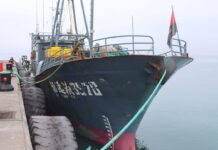
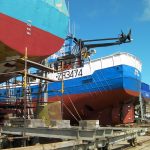
Between 2011 and 2014, she and her colleagues were involved in the arrest of 12 foreign fishing vessels that were either fishing illegally in South African waters or were found to have false registration documents.
Inspecting catches
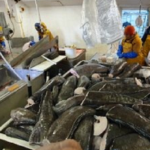
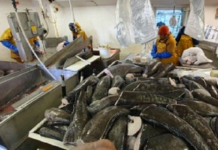
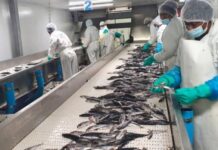
Over and above her work with RFMOs, Buyekezwa manages a team of 10 FCOs who are responsible for, among other things, inspecting the catches of the South African fishing fleet in Cape Town harbour. They also monitor several large fish processing factories in the City of Cape Town and even inspect fish consignments that are transported into and out of Cape Town International Airport. It adds up to a demanding job.
“You learn new things every day,” she says candidly, “people are always finding ways around the law so you really have to be on your toes.”
Key to success
Asked for the key to her success, she replies that she takes every day as it comes and is never shy to ask questions. She regularly consults with her colleagues in the Chief Directorate of Resource Management in an effort to better understand the whys and wherefores of South African fisheries management.
“Fishing is a complex and dynamic industry so you are constantly required to question and test the legislation and to look carefully at different scenarios,” she says.
Education
Buyekezwa completed basic training in conservation through the Sandrift Conservation Programme in 2003 and 2004. In 2005 − shortly after she joined the Department of Environmental Affairs (DEA), which later split into DEA and DAFF − she completed a Diploma in Forensic Investigations through Intec College.
A number of qualifications in fisheries management have followed. In 2006 she achieved a Certificate in Fisheries Management from Mbegani Fisheries Centre in Tanzania. A year later she gained a Certificate in Sustainable Coastal Development from Kramer University in Sweden. Then in 2017 she completed Sustainable Fisheries Management Training for the Indian Ocean region through the University of Wollongong in Australia.
Asked whether she would recommend a career in fisheries management to a young person, Buyekezwa replies enthusiastically, saying that fisheries is a highly varied international activity and it is possible to gain work and experience in any number of fields, from sea patrols to investigations, conservation and environmental management.