

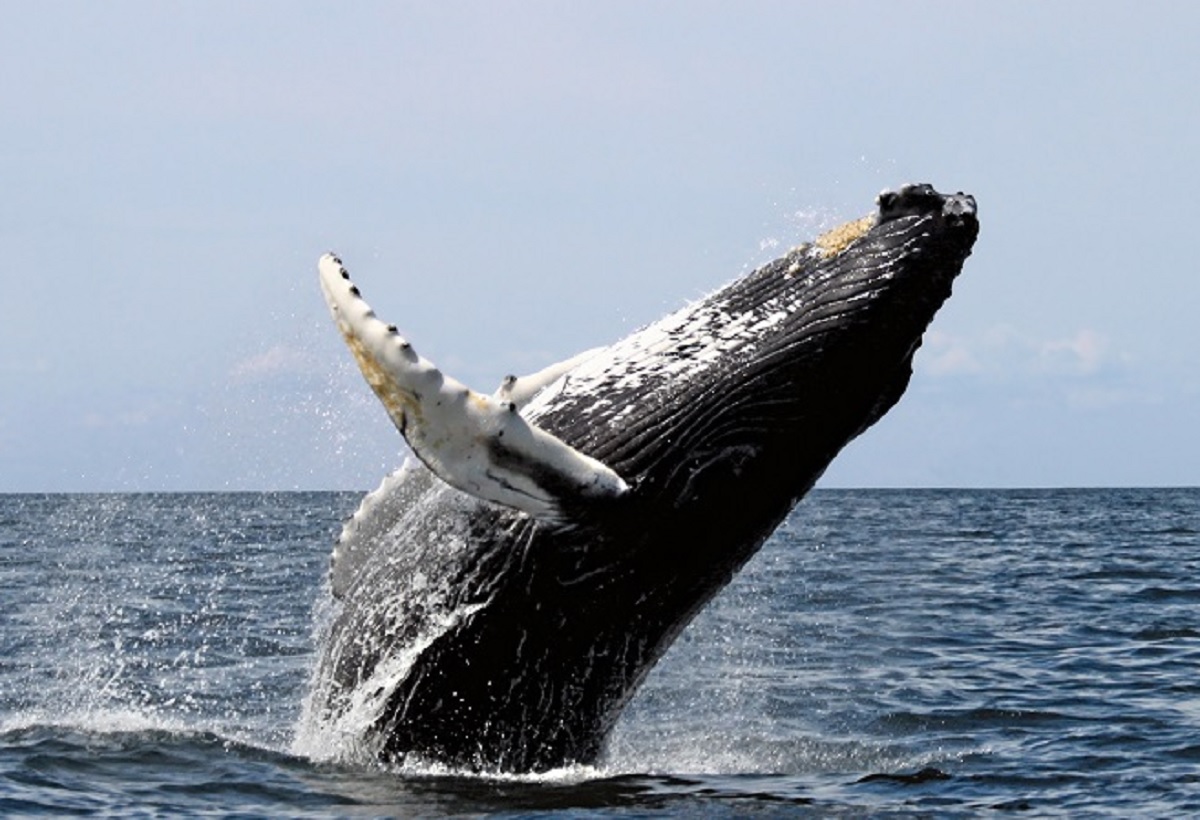
A new section of the online Whale Watching Handbook has been published, containing a series of simple, educational factsheets.
The factsheets explain key concepts of whale and dolphin biology, ecology and conservation. These have been developed in response to requests from educators and guides who are keen to enhance the value of whale watching trips.
The Handbook is a collaboration between the International Whaling Commission (IWC) and the Convention for Migratory Species.
It was launched 18 months ago with a view to ensuring the long term sustainability of cetacean populations.
An average of 4000 visitors from 200 countries access the information every month.
Sounds of Whales, Dolphins and Other Organisms In a South African Bay
Whale Super Groups. Look but Don’t Get Too Close
Information available
The Handbook aims to provide impartial and up-to-date information on all aspects of whale watching.
It is suitable for managers and regulators of the whale watching industry and also members of the public who are planning a whale watching trip.
The content is available in English, French and Spanish and includes a variety of information, such as:
- an interactive world map
- compendium of national and regional whale watching regulations
- case studies from all over the world
- country profiles
- academic reference section with 400 peer reviewed articles and reports on whale watching
- illustrated species section featuring key characteristics of different species and their surfacing behaviour to help identify them in the water
There are nine new educational factsheets which cover a range of topics. These vary from the differences between whales, dolphins and sharks to feeding, habitat and threats.
They can be downloaded as a full set in one PDF, or separately as a single A4 page on each topic.
The success of the Handbook has led to requests for other types of additional material. With this in mind new country profiles and case studies will be published.
To view the new series of factsheets click here.
To access the homepage of the Whale Watching Handbook click here.















Comments are closed.