
World Ocean Day is celebrated annually but this year 8 June 2026 will be marked by a new 12 Months of Action Theme: Strong Marine Protected Areas for Our Blue Planet. This global campaign has the support of organisations around the world who have planned events to acknowledge this initiative.
World Ocean Day was initially proposed in 1992 at the Earth Summit in Rio de Janeiro, Brazil. Since then, WOD has been coordinated internationally by The Ocean Project and the World Ocean Network with global participation. It was officially recognised by the United Nations General Assembly in 2008 and is observed, since 2009, by all member states, including South Africa.
This year’s theme will resonate with South African environmental organisations and the science community which has long been promoting strong protections for the oceans, advancing climate solutions, and the narrative of creating a more just, equitable, and sustainable future.
At a local level and aligning with this theme, the Nelson Mandela University’s Institute for Coastal and Marine Research (CMR) has been inviting submissions for a World Oceans Day photographic competition to highlight the importance of protecting our oceans. The winners will be announced today (8 June).
South Africa has introduced marine spatial planning and has declared 42 marine protected areas around its coastline.
Read South Africa Needs Fewer, but More Effective Marine Protected Areas
“Marine Protected Areas alone cannot end overfishing. When combined with sustainable fishing practices and robust fisheries management, Marine Protected Areas can be part of a suite of tools to sustainably manage fisheries and encourage greater marine biodiversity,” says the Marine Stewardship Council (MSC) on its website.
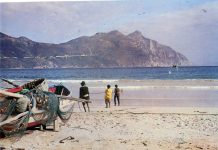
Taking this one step further, WWF South Africa is appealing for more inclusive conservation measures. It is focusing its efforts on empowering local communities to be stewards of nature. One such example is the protection of 84000 hectares within False Bay in the Western Cape through the means of “other effective area-based conservation measures” or OECMs.
An OECM is a clearly defined biodiverse area on land or at sea that is not formally protected but is managed with local communities and individuals to conserve biodiversity over the long term.
Read The OECM Footprint: Aiming for 30% Land and Sea Conservation by 2030
WWF SA will tell you that OECMs help to protect nature while supporting compatible cultural, social and economic values, and activities of the people who depend on these land and seascapes. It consistently advocates for an ecosystems approach towards managing South Africa’s rich marine resources through a variety of measures.
In Port Edward in KwaZulu-Natal, the establishment of a community fishing forum has ushered in a new era for small-scale fishers who now have a much-needed platform to voice their concerns and actively participate in decision-making processes that affect their livelihoods. WWF also supports the creation of small-scale fishing zones (SSFZ) where communities can be more actively involved in conservation efforts.
In addition, the WWF Southern African Sustainable Seafood Initiative (WWF-SASSI) is working closely with the Pick n Pay schools club which is educating future leaders. Using WWF-SASSI tools, they encourage children to share their new-found knowledge at home about how families can protect the oceans by making more sustainable seafood choices.
And across the country, celebrated chefs who partner with WWF’s Southern Africa Sustainable Seafood Initiative (WWF-SASSI) are championing the message about sustainable seafood.
“Sustainable seafood has become one of the most important global conversations within the hospitality and food industries, but it is also one of the most complex,” says De Tafel’s highly acclaimed chef Greg Henderson, “Sustainability should include an understanding of where the product comes from, who caught it, how it was caught, the impact on marine ecosystems and the social benefit to coastal communities.”
Local celebrity chef Zana Alvarado (founder of MESTIZO) says, “Globally, chefs face challenges around overfishing, climate change, traceability, and supply chain transparency but where the industry is succeeding is in certification, innovation, and growing demand for responsibly sourced seafood.”
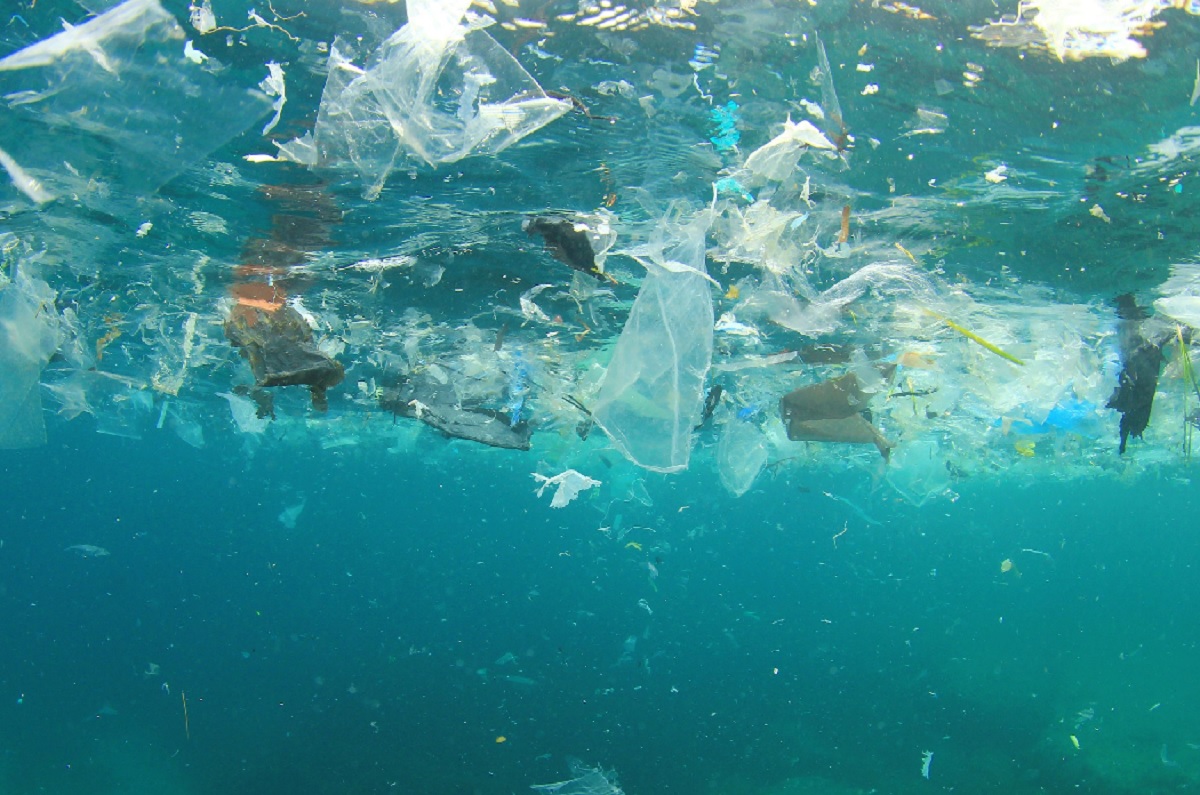
Plastic pollution
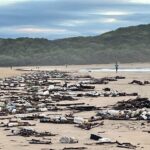
One major environmental bugbear has been plastic pollution making its way to the oceans via the river system.
This has encouraged Plastics SA to intensify its efforts to combat plastic pollution through its impactful river catchment initiatives. Under the core message “It starts with me,” Plastics SA has emphasised that environmental protection is a shared responsibility requiring active participation from individuals, businesses, municipalities, and NGOs alike.
According to, Sustainability Director, Douw Steyn, tackling marine litter requires stopping pollution at its source. “A significant percentage of litter found in the ocean originates inland, traveling through stormwater systems and rivers,” he explains. “Cleaner oceans begin with cleaner rivers and streets. Ultimately, it requires collaboration across the entire value chain.”
It’s not just litter from rivers polluting the oceans. The South African Maritime Safety Authority (SAMSA) recently participated in a Marine Pollution Plenary session held in Durban towards the end of May.
Hosted by the Department of Transport, the plenary was held with the intention of shaping a robust regulatory framework that safeguards our marine environment, supports sustainable maritime operations and accelerate South Africa towards Vision 2030. Participants also took a closer look at various pieces of legislation including the Marine Oil Pollution (Preparedness, Response and Cooperation) Act 2005 (Act No, 8 of 2025); and the Marine Pollution (Prevention of Pollution from Ships) Amendment Act, 36 of 2024.
WWF SA’s, senior technical marine specialist Craig Smith, has the last word: “As I reflect on WWF’s vision for inclusive conservation for healthier oceans I am reminded of the African proverb ‘If you want to go fast, go alone; if you want to go far, go together’. Safeguarding our oceans is a huge challenge that cannot be solved by one organisation. Rather collective action is required to secure healthy oceans that supports sustainable development, jobs and food security.”
- DID YOU KNOW Kenya will host the 11th Our Ocean Conference in Mombasa from 16 to 18 June. This will be the first Our Ocean Conference held on African soil, and will place a global spotlight on ocean action and leadership across Africa and highlight the unique coastal communities, biodiversity, and ecosystems of Kenya and East Africa.