

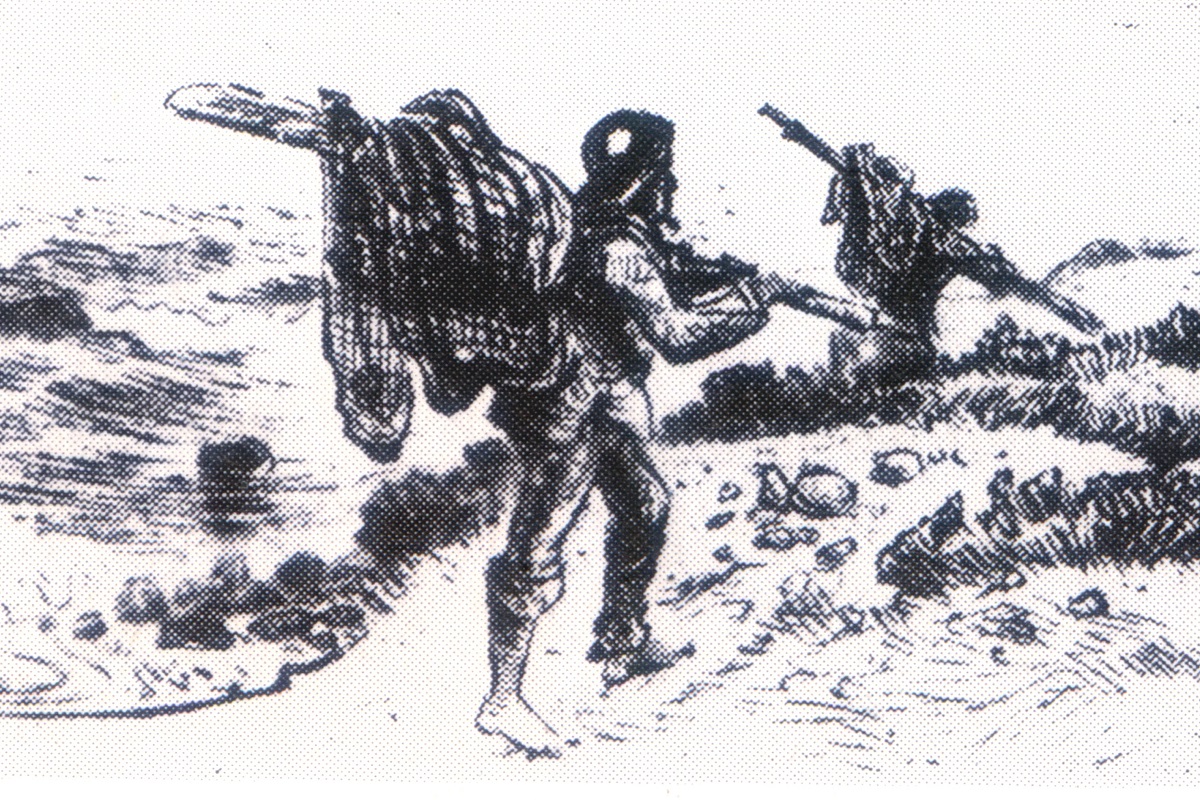
The fish seem quite fearless, and as the water is very clear you can follow all their movements with great ease. It is a very pretty sight too, to go down to the Central Causeway any afternoon about three o’clock ad watch the fleet of fishing boats coming to the anchorage after a hard day’s toil at hooking “snoek”, silver-fish, “Hottentots”, stump nose ad “geelbeck”. There they come in a long double file, rounding the end of the North Jetty, their white sails glittering in the sun, their crews toiling at their oars in measured sweep.
Life at the Cape more than a hundred years ago. – August 1861- Lady Visitor from England memoirs
And now, as the sun is slanting to the West, they are returning to their homes, tired, cramped and hungry. One by one the boats are cleverly beached, the gear and cargo landed, while a warm welcome greets them from their families. Then follows a process that I have never seen in use in any other part of the world, they use no mechanical means to bring their heavy, wide-beamed boats beyond the reach of high water. There are no slipways, rollers or capstans required to haul her up. These sturdy fellows reeve a rope strop through the stem and sternpost rings and through the bights of these strops they push a stout bamboo pole. Then four men, in a stooping position, get their shoulders under the ends of these poles, and with one hand on the gunwale of the boat to prevent her swinging, with an “altogether!” and straining muscles, they raise themselves to an upright position, lifting the boat’s keel clear of the sand. They walk away with her and bring her clear of the high-water mark.
Historical Media. Woodstock Beach 1845














Comments are closed.