
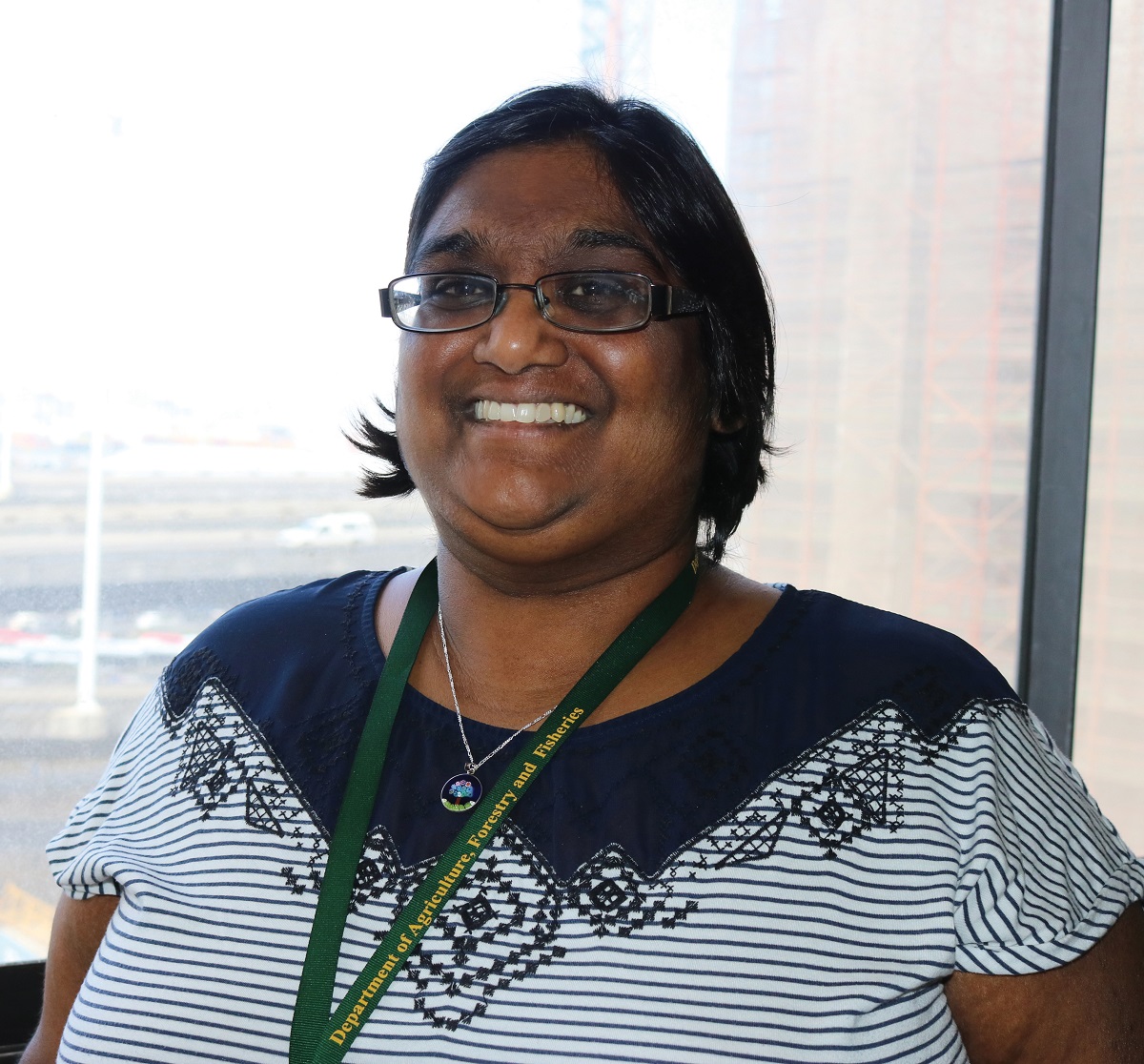
Production scientist, Larvika Singh is taking significant strides towards improving the quality of data available for the management of the midwater trawl fishery for horse mackerel. As convenor of the Demersal Scientific Working Group (DSWG), she also plays an important role in the management of the trawl fishery for hake.
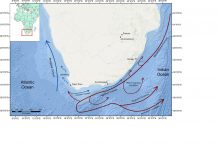
Two years ago, horse mackerel seemed to disappear from the traditional fishing grounds on the Agulhas Bank. As has occurred with other species shifts (the best-known being the sudden movement of sardines from the west coast to the south coast around the turn of the 21st Century) biologists were generally at a loss to explain the apparent shift in species distribution.
Since then, the DSWG of the Department of Agriculture, Forestry and Fisheries (DAFF), has made a concerted effort to address the shortage of information on horse mackerel and improve the quality of the information used in the management of the midwater trawl fishery.
Catch records
Leading this effort is Larvika Singh who has spent much of the past year matching the catch declaration sheets (catch records) of the Desert Diamond – the only dedicated midwater trawler fishing in South Africa – with the reports of the scientific observers that have sailed on every voyage of the Desert Diamond since 2003.
Whereas the catch declaration sheets provide information about where fishing took place and how much was caught, the observer reports fill in the blanks: the average size and weight of the landed catch and its exact composition. The task of collating this data requires intense concentration and persistence and Larvika modestly admits that she has begun to make headway, saying that data quality has improved and the picture of the midwater trawl fishery is “getting clearer.”
Larvika’s day-to-day monitoring of the Desert Diamond’s operations have resulted in her playing an increasingly important role in the management of the midwater trawl fishery, but this is not her only job. She also takes responsibility for convening the DSWG which is responsible for providing a scientifically justifiable recommendation on the total allowable catch or total allowable effort for the demersal fisheries.
This means that Larvika is responsible for ensuring that each scientist, industry representative and mathematician who serves on the DSWG receives copies of the papers, reports and assessments that must inform their deliberations and decisions. She also ensures that their recommendation is prepared on time and submitted in the form of an aide memoire to the relevant fisheries managers.
Fish biology and taxonomy
Although a large proportion of her work is administrative, fish biology and taxonomy are her true passions and Larvika says she is happiest on the deck of a research vessel with a dissection knife in one hand and a sample jar in the other.
She decided on a career in marine biology at the age of 10, even though this was an unusual choice for a child growing up in the southern suburbs of Johannesburg. Her decision was informed by her family’s seaside holidays and National Geographic documentaries.
“I was an odd kid,” says Larvika with a giggle, describing how the microscope she received as a birthday gift led to her conducting some rather alarming experiments on unsuspecting family members.
Larvika’s undergraduate and Masters degrees were completed in New Zealand and she returned to South Africa with the purpose of pursuing her PhD studies; predator-prey relationships on the squid grounds of the Eastern Cape are the focus of her research.
Memorable cruises
Larvika has been employed in the Demersal Research Group at DAFF since 2008 and has contributed to several research cruises in that time.
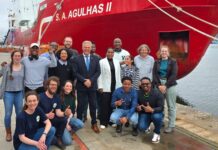
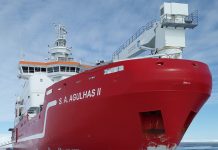
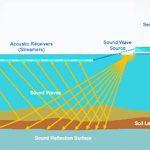
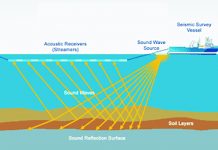
Two of the most memorable are a study of the marine life of the seamounts off Namibia, conducted from the R/V Dr Fridjhof Nansen, and a 2016 horse mackerel-directed cruise on the R/V Africana. Data gathered during this cruise is being used by Larvika and her colleague Janet Coetzee, a specialist in fisheries acoustic surveys, to improve biomass estimates for horse mackerel.
Larvika’s goals for the future are to complete her PhD, include more “wet science” rather than desktop research in her day-to-day schedule, and learn as much as she can from her scientific mentors – Robin Leslie, a specialist on the taxonomy of deep-sea fishes, and Carl van der Lingen, an expert on small pelagic fish.
However, Larvika is realistic about the constraints of research budgets and the availability of research vessels and is content to use her intellectual energy and abiding passion for fisheries science to play her part in the management of South Africa’s commercial fisheries.